
perimenopause health

Estrogen The Protector

MELT Method classes with emiko oye at UCSF Millberry Union

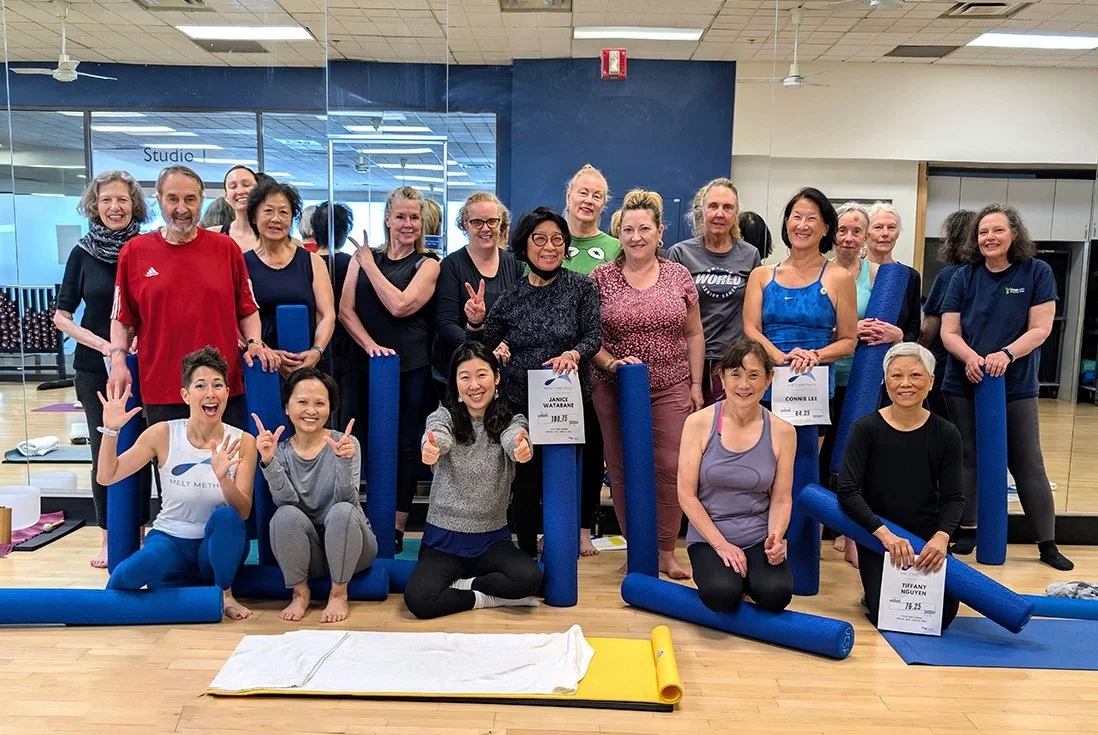
My MELT Method class of dedicated MELTers at UCSF Millberry Fitness Center, Parnassus, SF 2026

If you are a woman over 40 yrs old, I urge you to read this new book by Dr. Kelly Caspersonm, MD, The Menopause Moment. Even if you are post-menopausal. Not enough time to read? - then listen to episodes of her podcast, You Are Not Broken. She's a hoot, well-informed and tells it like it is in everyday language. She's inspired me to seek out a Menopause Specialist/ Certified Menopause Society MD to help me through this Perim/Meno transition (I started typing "trainwreck" instead, lol).  Every person with female biology should have this information, and we owe it to the younger generations to share this info with them as well.

The info below is from her book, Chapter 7, I'll be sharing more nuggets of wisdom in newsletters to come.

HORMONES AND YOUR HEART 
"In 2020, the American Heart Association stated that the transition of menopause, independent of aging itself, leads to increased cardiovascular risk and mortality. Early initiation of hormones (within 10 yrs of menopause) is associated with cardiovascular benefit. For women who have early or premature menopause (before age 40), it is considered the standard of care to provide hormones until the natural age of menopause, as going without is devasting to the heart (and life itself)."

TRANSLATION:  "Hormones (human-identical transdermal estradiol + micronized progesterone) protect your cardiovascular system, starting them early gives you the best prevention. Menopause has a powerful negative impace on the cardiovascular health of women...The only medication that has ever shown to work as primary prevention of heart disease and cardiovascular mortality is not statins, baby aspirin, or blood pressure medication, but estrogen! And it's cheap, helps with so much more and our body makes it naturally.

SIDE NOTES: Did you know that heart disease is the #1 killer of women! Did you know that there is no age cap on taking hormones, even if you are in your 70s you've been post-menopausal for over 10 years!

ESTROGEN AND MORTALITY
"Estrogen alone decreases your risk of breast cancer and all-cause mortality in women in early postmenopause. Statins don't decrease your risk of dying (in women with no risk factors). 

ESTROGEN REDUCES DIABETES RISK
"Shih et al, a 2024 retrospective study, looked at the date of over 20,000 women aged 40-65 with prediabetes and found those on hormones had a 30% decreased risk of developing diabetes at one year...The Nurses Health Study showed current hormone therapy users had a 20% reduced incidence of diabetes compared to never users."

TRANSLATION: Hormones help manage your blood sugar and the menopause transition is a time of increasing insulin resistance.

LIVING PROOF: I just found out last week that my mother (you saw her photo in my post The Power of Vibration) didn't become post-menopausal until the age of 74! She's now 79 and does not need any medications, has a healthy heart, metabolism, hair and skin, plus good bone density! I'd say, that's the power of hormones and longevity!

Originally posted in my emikooyoga newsletter June 16, 2026
The Midlife Brain

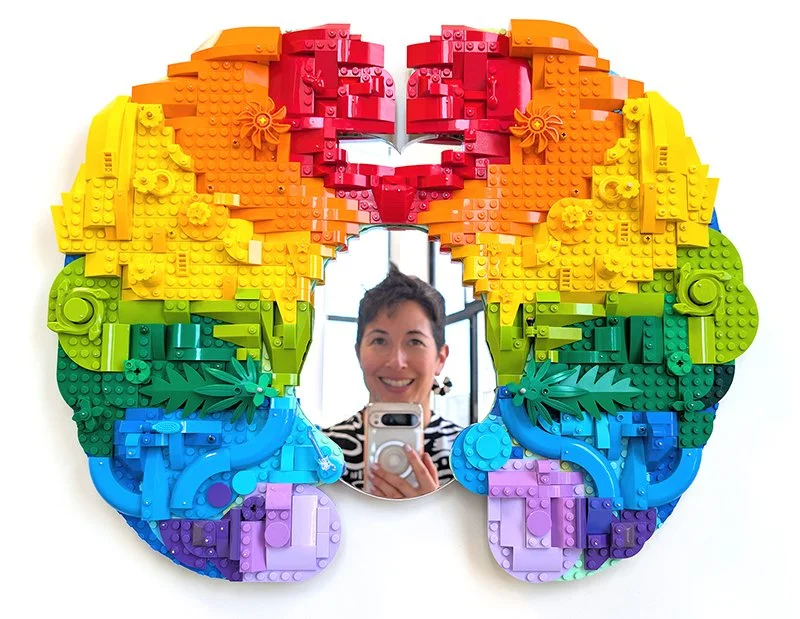
emikooreware Become One Hedwig Tribute Mirror, copyright 2026

Become One Hedwig Tribute Mirror ,© emikooreware 2026

As I've been prepping for my menopause/hormone appointment coming up next month with my new OB/GYN (YAY!), I've been really honing in on my peri symptoms I want to address with hormone treatment. Brain fog and disrupted sleep is at the top of my list, especially since both of my grandmothers suffered from dementia later in life, and my father has been diagnosed with mild cognitive impairment.

As the Universe leads you to what you need, I came across Dr. Mary Claire Haver's fairly new podcast, unPaused, specifically these episodes on Brain health, from which I've transcribed some key tips in the post below. 


The Midlife Brain Protection Plan

ISSUE: BRAIN FOG

BRAIN FOG is a symptom that is fixable. It can mean several things: increased trouble with cognition, fatigue, forgetfulness, slowness in thinking, trouble concentrating or remembering. Exasperated by the loss of estrogen or a high cortisol state. Your brain consumes 20% of your total energy that you take in. Glucose is the fuel your brain needs - it is a building block for Glutamate (the most prevalent neurotransmitter in the entire brain) needed to synthesize GABA and plays a critical role in brain functions such as cognitive function, learning, and memory. Estrogen helps meditate glucose in your blood to get into the cell body to be used - for cognitive function and energy.

When we start to see a dip in estrogen, our brain is not as supported, glucose metabolism not working as well, sleep disruption happens, lower tolerance to stress.  

NOTE: Alzheimers starts quietly in our 30s-40s and can take many decades before being detected - thus, let's start being proactive nowabout brain health!


1. Prioritizing DEEP SLEEP/slow wave sleep - this is the only time the brain can take care of itself, when the body is completely still and at rest, activating your Glymphatic system to flush out toxins, oxidative stress, plaques, inflammation of the day.

Sleep hygiene is a very important protective factor in brain health.

Sleep Deprivation is a RISK FACTOR for Alzheimers. If sleep is fragmented & you lose that window of deep sleep, over time the accumulation of toxins has consequences on brain health.

ISSUE: SLEEP DISRUPTION - Every night waking up in the middle of the night to pee.

WHY IS THIS HAPPENING: If Cortisol (our stress hormone) is high in the body, it suppresses Melatonin production (sleep hormone). In sleep, usually melatonin peaks around 1-3am and remains in the system UNLESS you're stressed out or run out of melatonin, in which case cortisol kicks in @ 2am and your brain WAKES YOU UP.

THE SCIENCE: The body needs a common precursor (pregnenolone, a direct derivative of cholesterol) to make both sex hormones and cortisol. If you’re super stressed out, the body is going to have to use more of the pregnenolone to make the cortisol, and that means it cannot make as much of the sex hormones = Stress sinks your hormones. Women who are really stressed out, may experience more severe symptoms in menopause.


TROUBLE FALLING ASLEEP?  
WHY IS THIS HAPPENING: Loss/deficiency of Progesterone, which activates GABA and is also has anti-anxiety benefits, or your core body temp isn't getting low enough (as with hot flashes). 

THE SCIENCE: To fall and stay asleep, our core body temp needs to fall 2 degrees. Cortisol rises according to the sun, and increases our core body temperature, which is what wakes us up. Ask Yourself: are you waking up because your core body temp is rising, or is it cortisol dominance?

TO COOL YOURSELF DOWN: Keep your feet out of the sheets OR Take a hot shower before bed

HOW MUCH SLEEP IS ENOUGH? Min 7-7.5hrs sleep
Even one night of sleep deprivation (less than 7 hrs) can raise Amyloid-beta circulation levels in the brain. Amyloid-beta prevents you from going to sleep. People with mild cognitive impairment and Alzheimer’s have trouble falling asleep because of the accumulation of Amyloid-beta.

2. EXERCISE and Brain Health

Exercise is by far, the best elixir for your brain. Women who are fit in midlife (who have a high peak respiratory fitness, measured by a V02 max test) can lower their risk of dementia by 80%!

Women in peri/menopause have increased white brain matter lesions - Exercise can improve those white matter lesions.

80% off gray brain matter is modifiable by physical activity.

THE SCIENCE: Exercise supports brain health through multiple pathways: 

A. Increasing blood flow to the brain - supports oxygenation and nutrient transmission;

B. Anti-inflammatory and reduces oxidative stress

C. When muscles contract as part of exercise, they produce a bioactive peptide Irisin, which crosses the blood-brain barrier - supports estrogen, reduces amount of pro-inflammatory cytokines in neurons

HOW DIFFERENT TYPES OF EXERCISE ARE BENEFICIAL:

Zone 5 (working out to your max heart rate) 20 min/wk "4x4": 4 min on hard, 4 min rest for 4 sets
You’re producing lactate - fuel for your brain. Brain prefers it to glucose.

High Intensity workout (5x week, @ 80% max heart rate)
Improved cardiovascular health - reversed age related decline in the heart by 20 years. 
= Better performing heart, stronger chambers - more blood being able to be delivered to the brain. Brain is the most vascular rich organ in the body.

Metabolic/Aerobic (Zone 2, 60% of your max heart rate) 30 min /3x week: brisk walk/light jog and still be able to talk
= Massive release of BDNF (brain derived neurotrophic factor) - crosses blood brain barrier and grow new neurons in the hippocampus (by 2%) AND can decrease your risk on 13 types of cancer.

Resistance Training 3x week
You release myokines (muscle based proteins that live inside the muscle all over our body and our brain) - improves your executive function/frontal lobe. Best way of staving off neurodegeneration. 

4. BEING KIND TO YOURSELF: (affirmations, journaling ) You send to your brain that you are safe and it downregulates cortisol, makes you happier and appreciate your day-to-day.

Originally posted in my newsletter July 14, 2026